
Construction Noise Monitoring
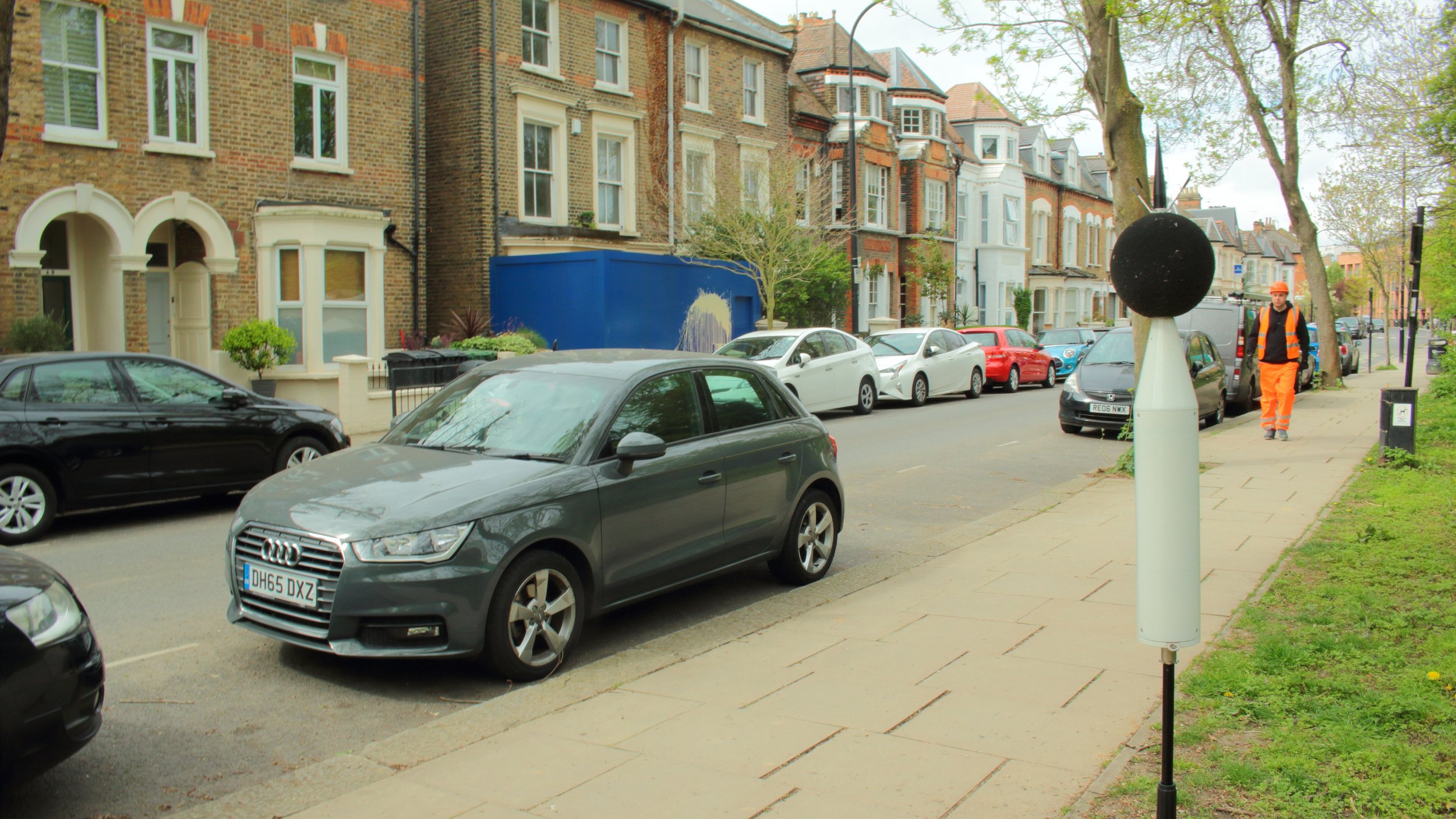
Construction Noise Monitoring Services
Construction noise, vibration, and dust can create significant risk to project programmes if not properly managed. Complaints, enforcement action, or breaches of planning conditions can result in restricted working hours, stop notices, or reputational damage, particularly on constrained or sensitive sites.
We provide independent monitoring and assessment to support compliance with planning conditions, Construction Environmental Management Plans, and local authority requirements. Monitoring data is used to demonstrate control, respond proportionately to exceedances, and provide clear evidence where concerns are raised by regulators or neighbouring occupiers.
Our approach focuses on practical risk management rather than continuous measurement for its own sake. Monitoring strategies are tailored to the scale, duration, and sensitivity of the works, ensuring that data collected is meaningful, defensible, and useful to site teams.
What we do
Our construction noise, vibration, and dust work includes:
Baseline noise, vibration, and dust surveys to establish pre-construction conditions.
Construction noise and vibration monitoring to support compliance with planning conditions, working hour restrictions, and agreed trigger levels.
Vibration monitoring to protect adjacent buildings, infrastructure, or sensitive receptors during demolition, piling, and other high-impact activities.
Dust monitoring and assessment to support best practicable means and respond to concerns from local authorities or neighbours.
Short-term attended monitoring and investigations to address specific complaints or high-risk activities.
Relevant Standards And Guidance
BS 5228 | BS 7385 (where applicable) | BS 6472 (where applicable) | IAQM dust guidance | Local authority monitoring requirements
Typical Deliverables
Baseline and ongoing monitoring data with clear interpretation
Compliance reporting against agreed trigger levels or planning conditions
Incident or exceedance reports with proportionate mitigation advice
Clear evidence to support dialogue with local authorities and stakeholders