
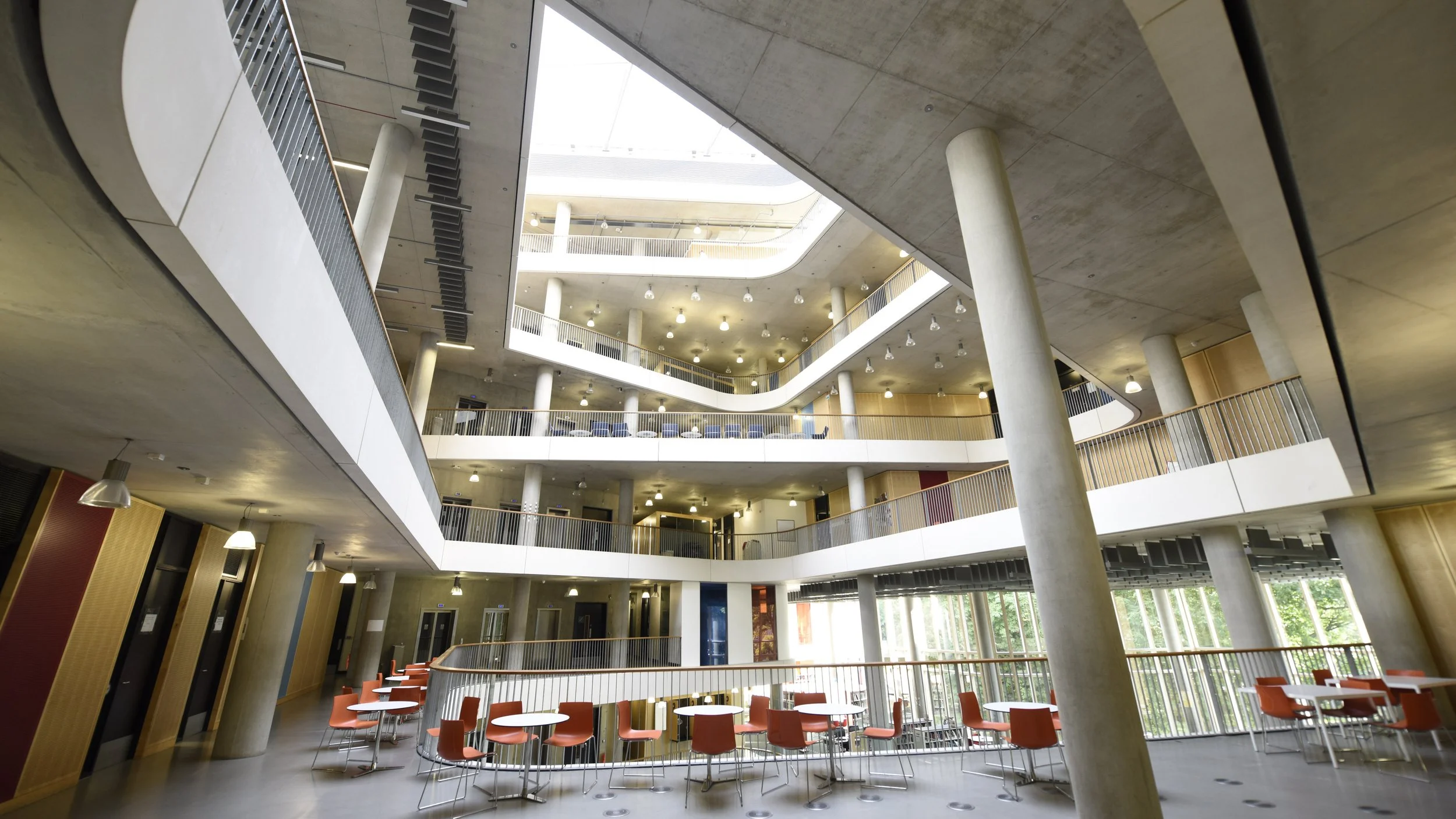
Commercial and Retail Acoustic Consultancy
Retail & Commercial Acoustic Advice
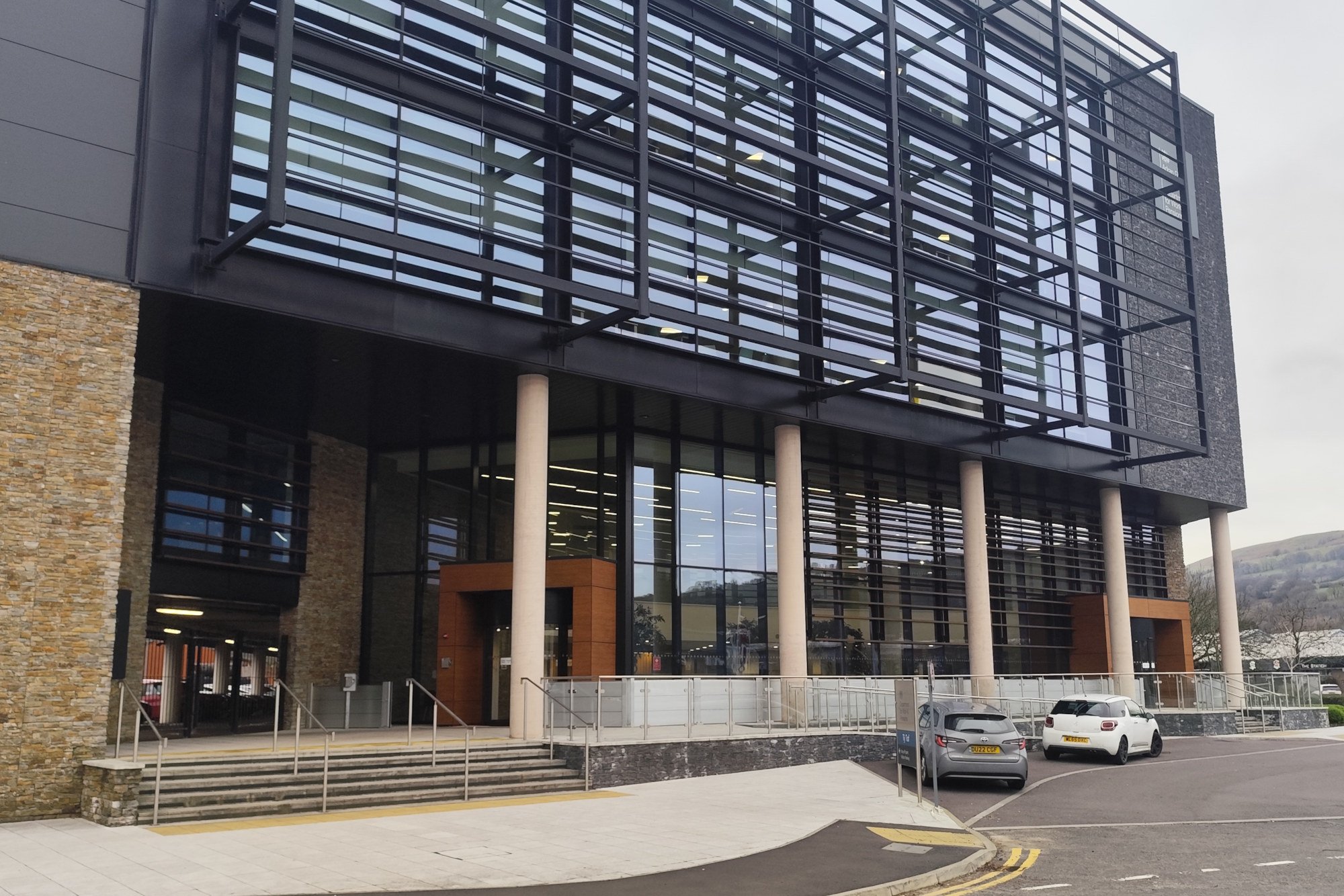
Retail and commercial environments bring together multiple noise sources, competing uses, and different expectations of comfort and functionality. Poor acoustic performance can affect customer experience, staff productivity, neighbouring occupiers, and planning compliance, particularly in mixed-use and town-centre locations.
Commercial schemes are commonly subject to planning conditions related to noise breakout, plant noise, and impact on nearby noise-sensitive receptors. Acoustic performance is therefore a material factor in securing approval, avoiding objections, and preventing operational restrictions once the premises are in use.
Why Retail and Commercial Acoustics Matter
Unlike residential buildings, commercial and retail spaces are often designed for activity, movement, and mechanical services, all of which generate noise. At the same time, these uses are frequently located close to housing or other sensitive premises, where noise impact can quickly become contentious.
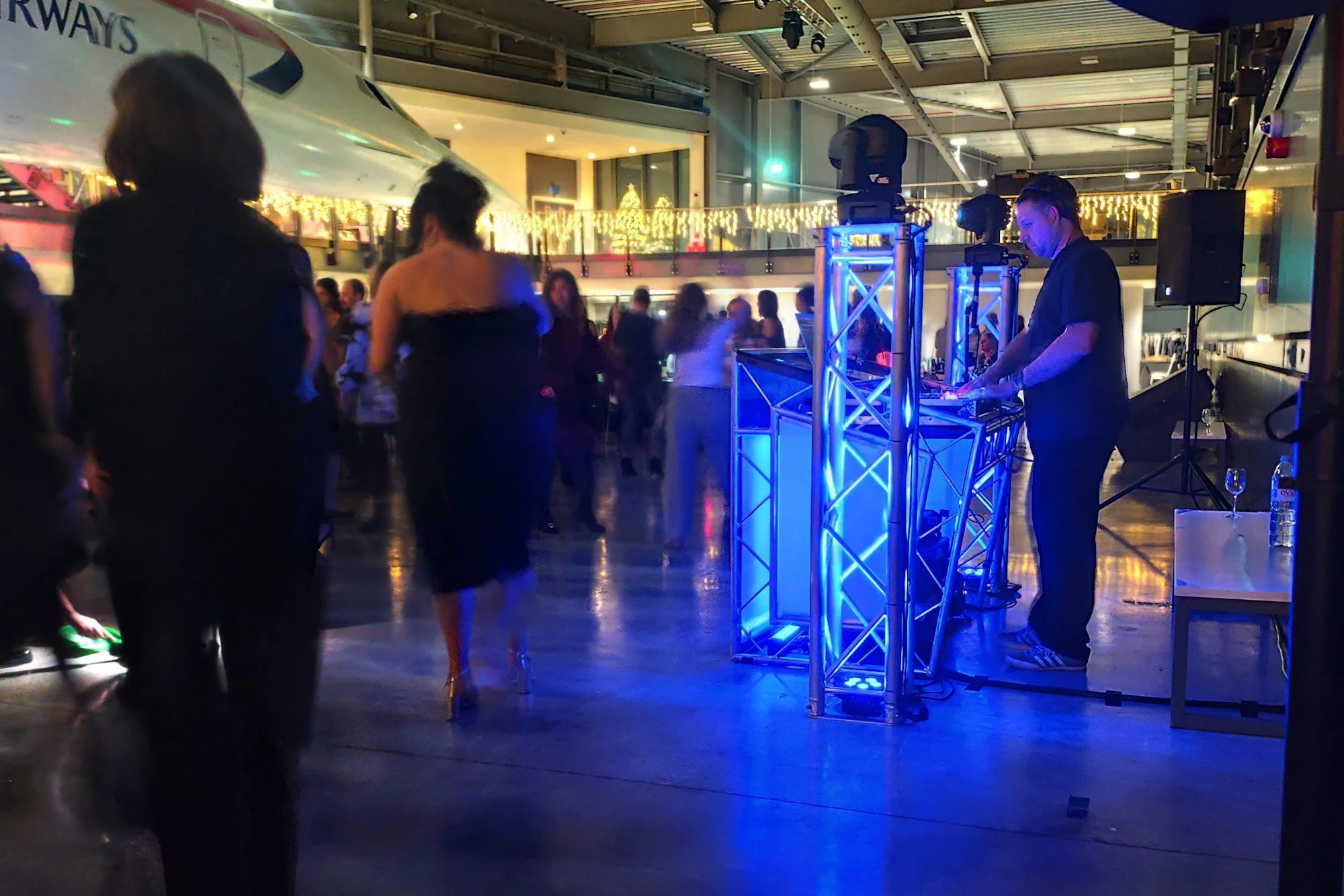
While planning approval and commissioning sign-off are key milestones, acoustic issues often emerge once a space is operational. Plant noise, music, speech, delivery activity, and changes in tenancy can all introduce noise characteristics that were not fully apparent at design stage. Operators and developers may therefore face complaints, licence conditions, or restrictions on use if acoustic performance is marginal.
Early, proportionate acoustic input helps ensure that noise risks are understood, mitigation is integrated into the design, and commercial spaces remain usable, flexible, and compliant throughout their operational life.
Explore our work
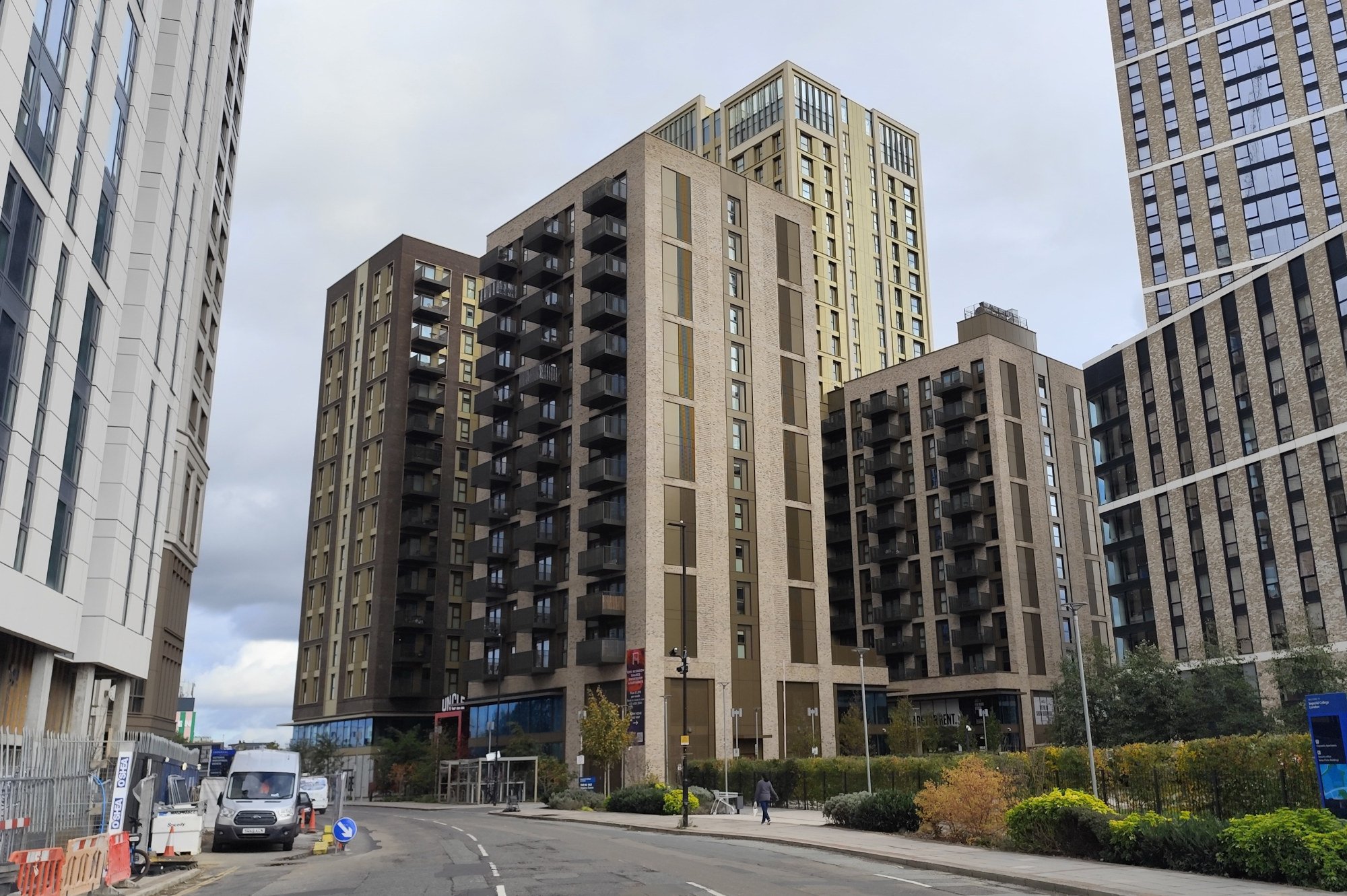
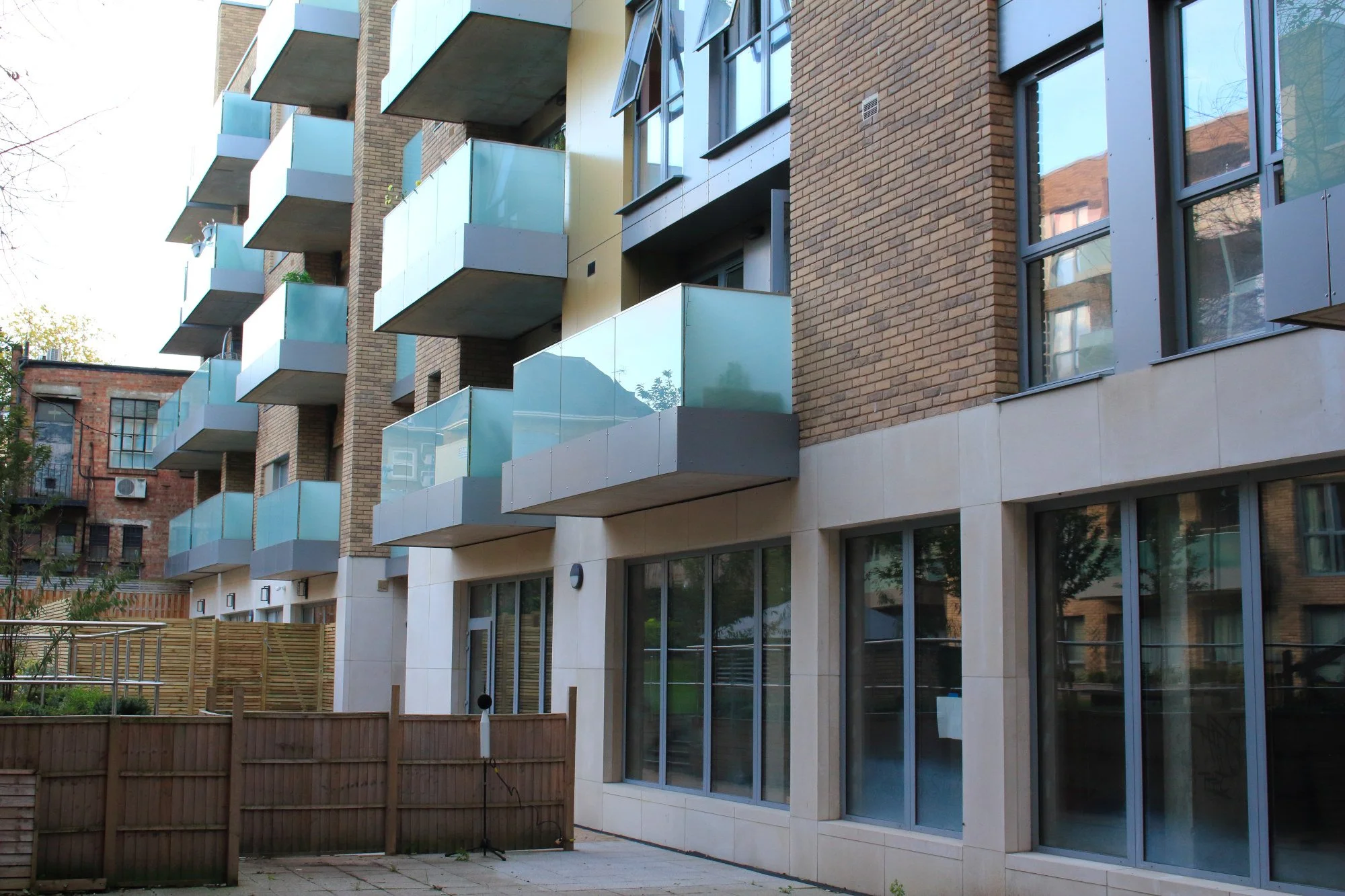
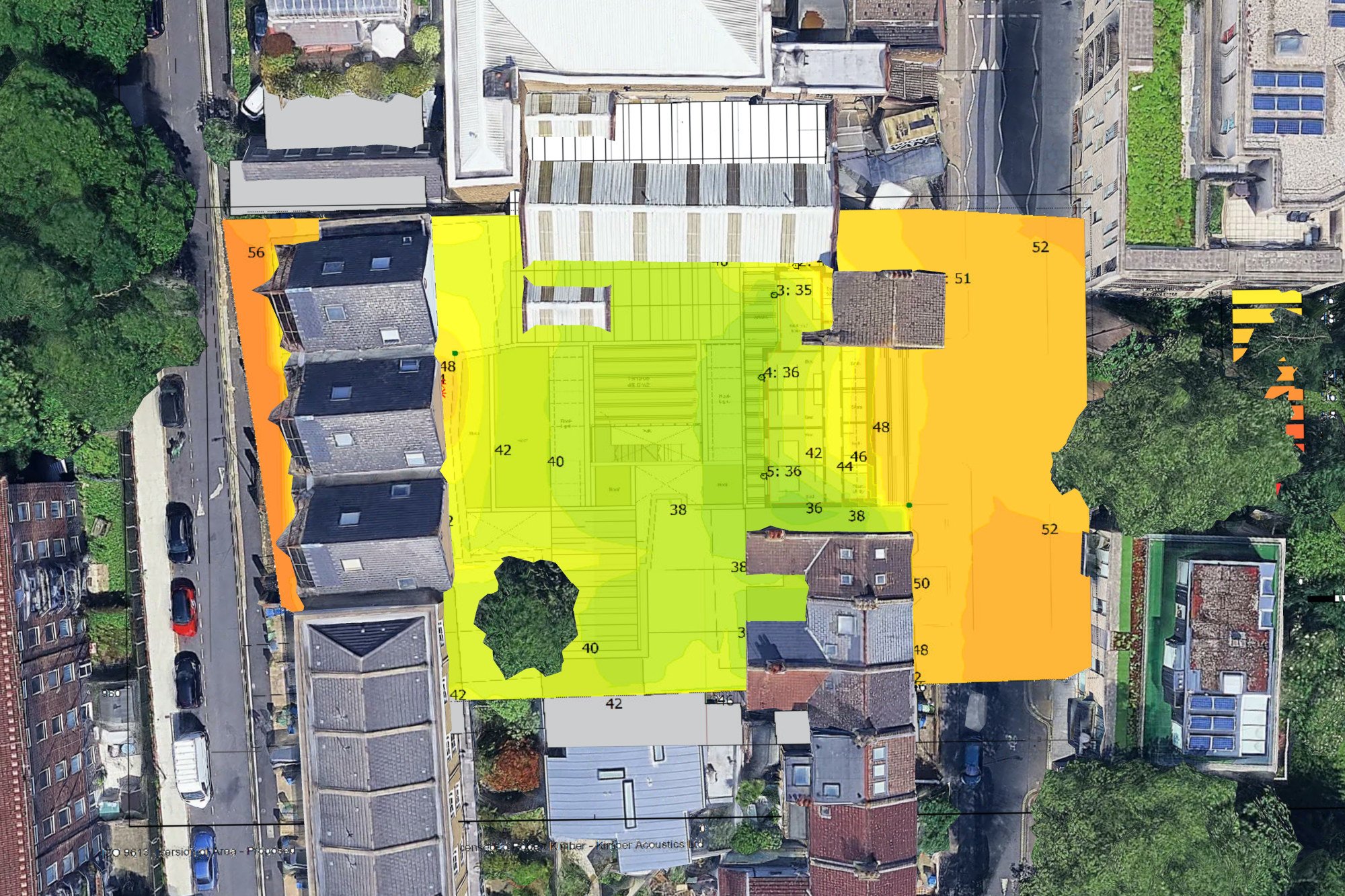
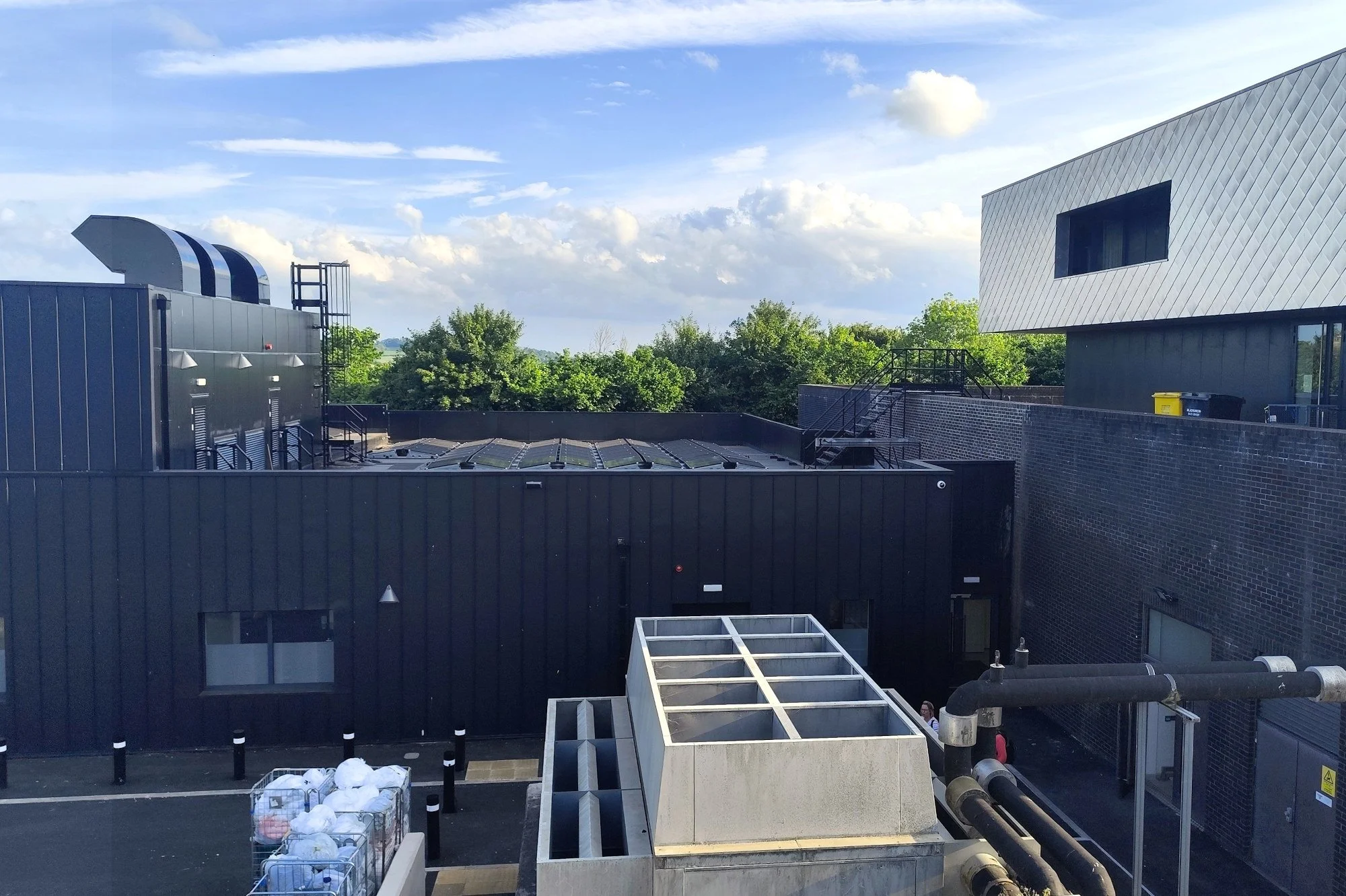
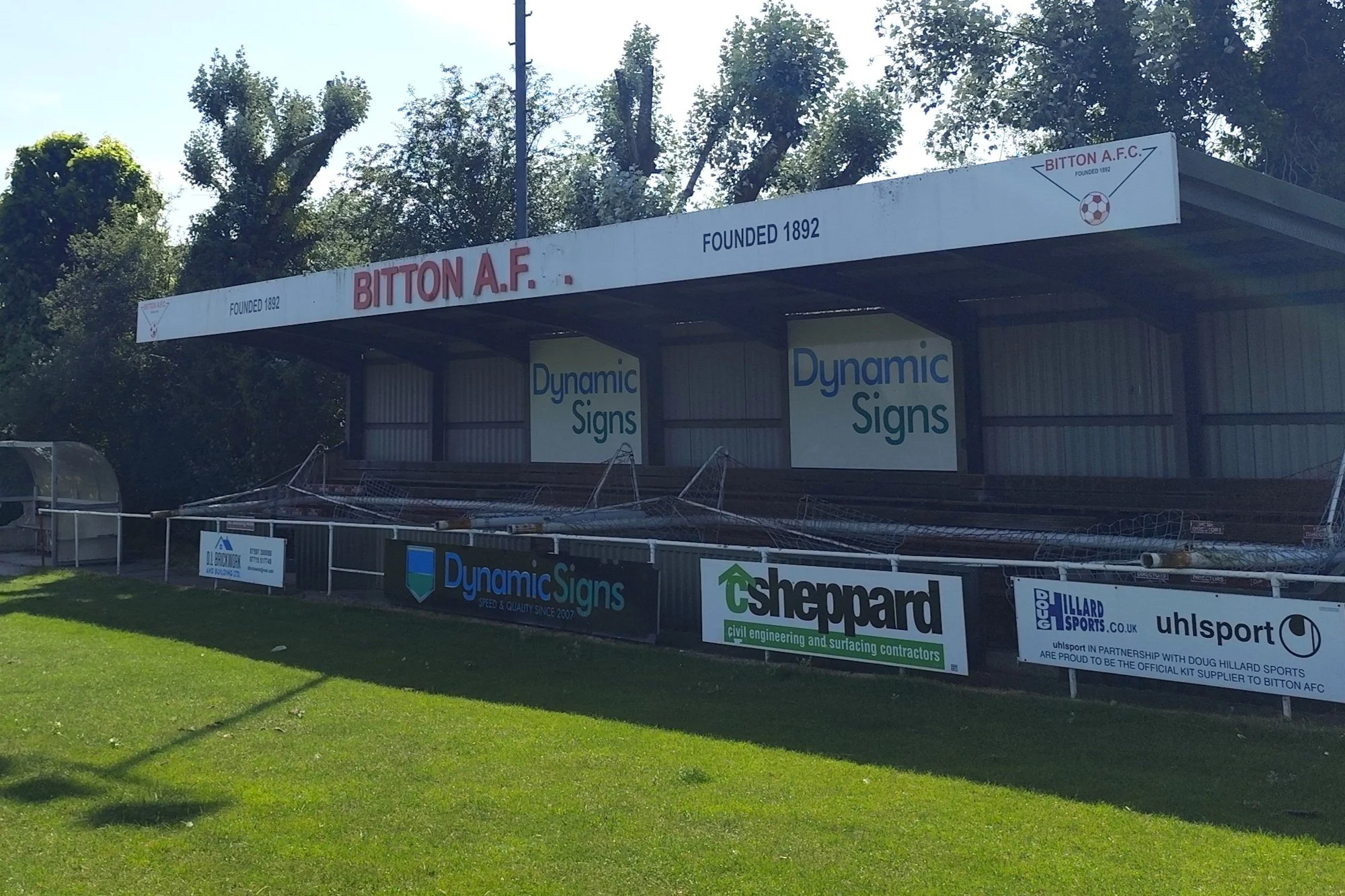
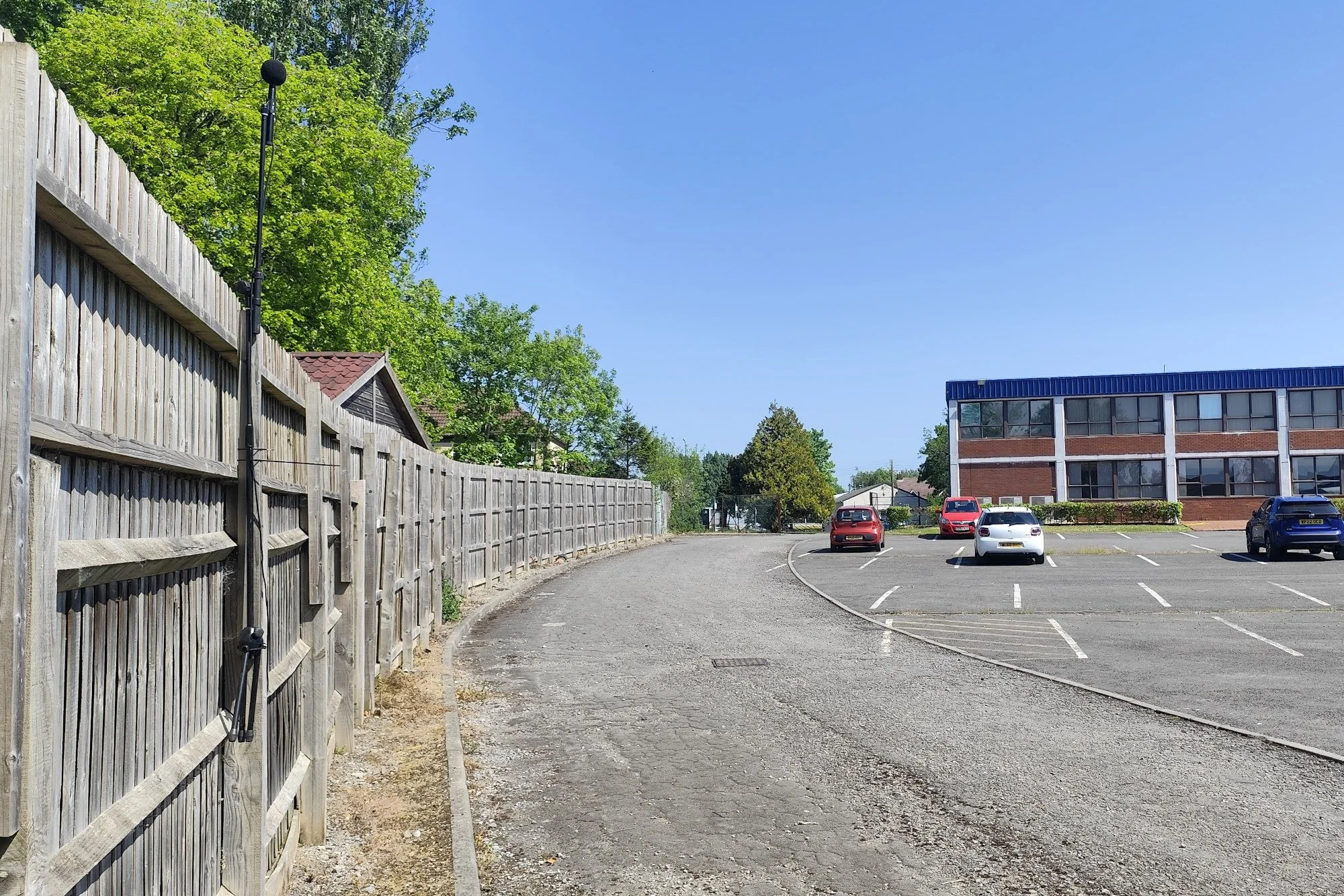
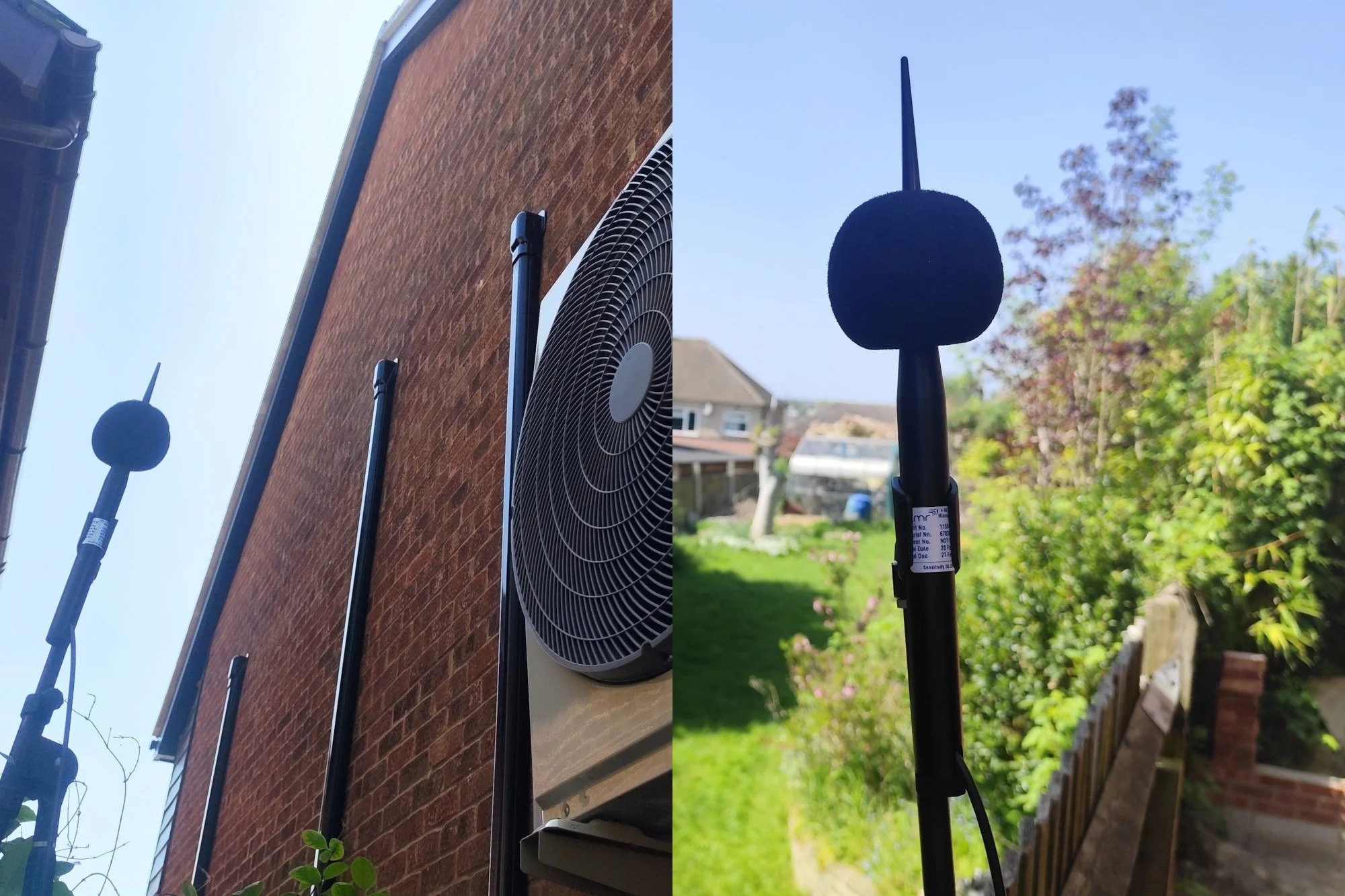
How We Typically Support Retail And Commercial Projects
Retail and commercial developments require acoustic input at several defined stages. The specific services depend on the nature of the use, surrounding receptors, and regulatory context, but commonly include the following.
Planning-stage noise assessments
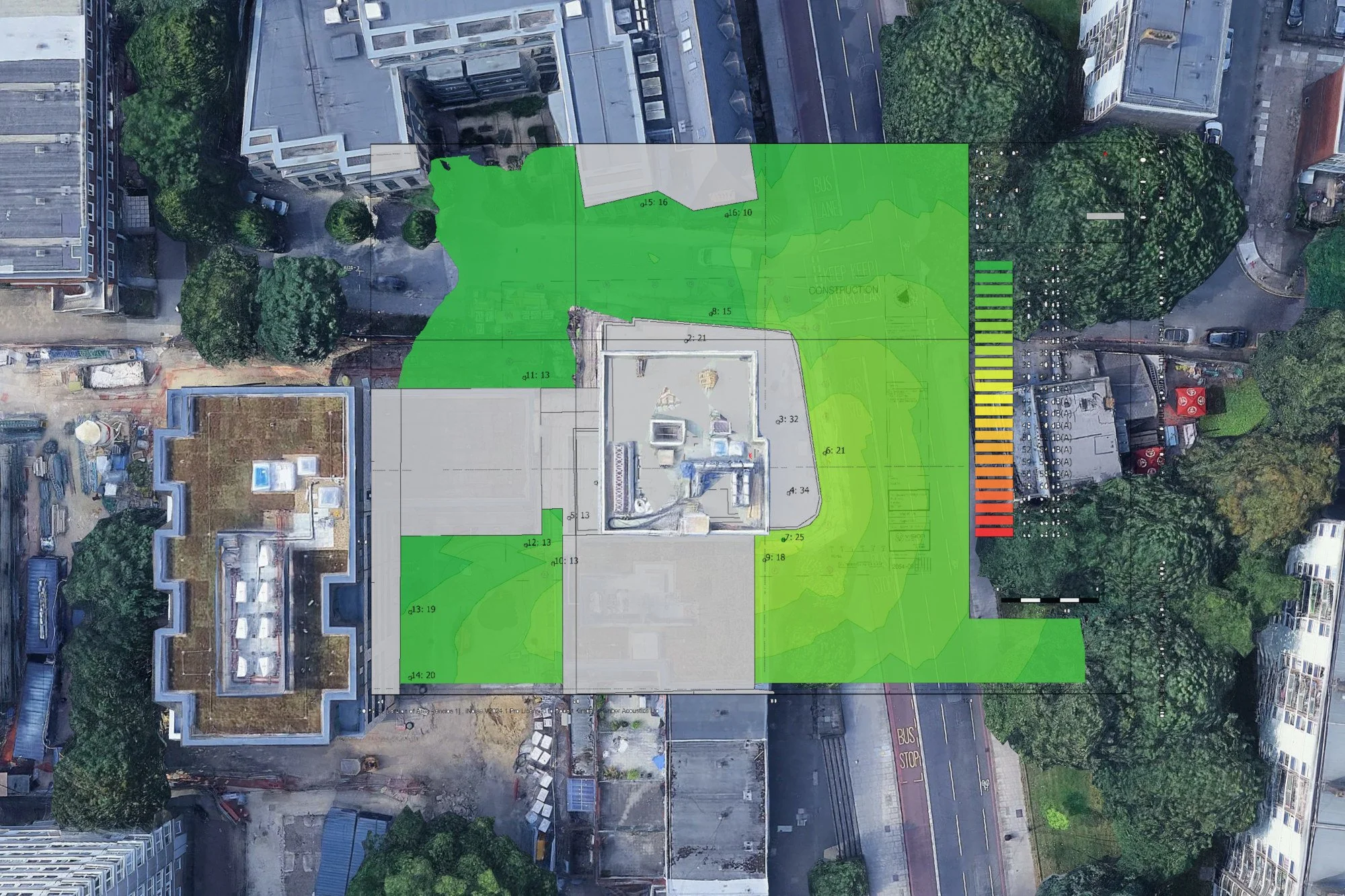
Noise assessments are prepared to support planning applications, discharge noise-related conditions, and demonstrate that proposed uses and associated plant will not adversely affect neighbouring properties.
Design-stage acoustic advice
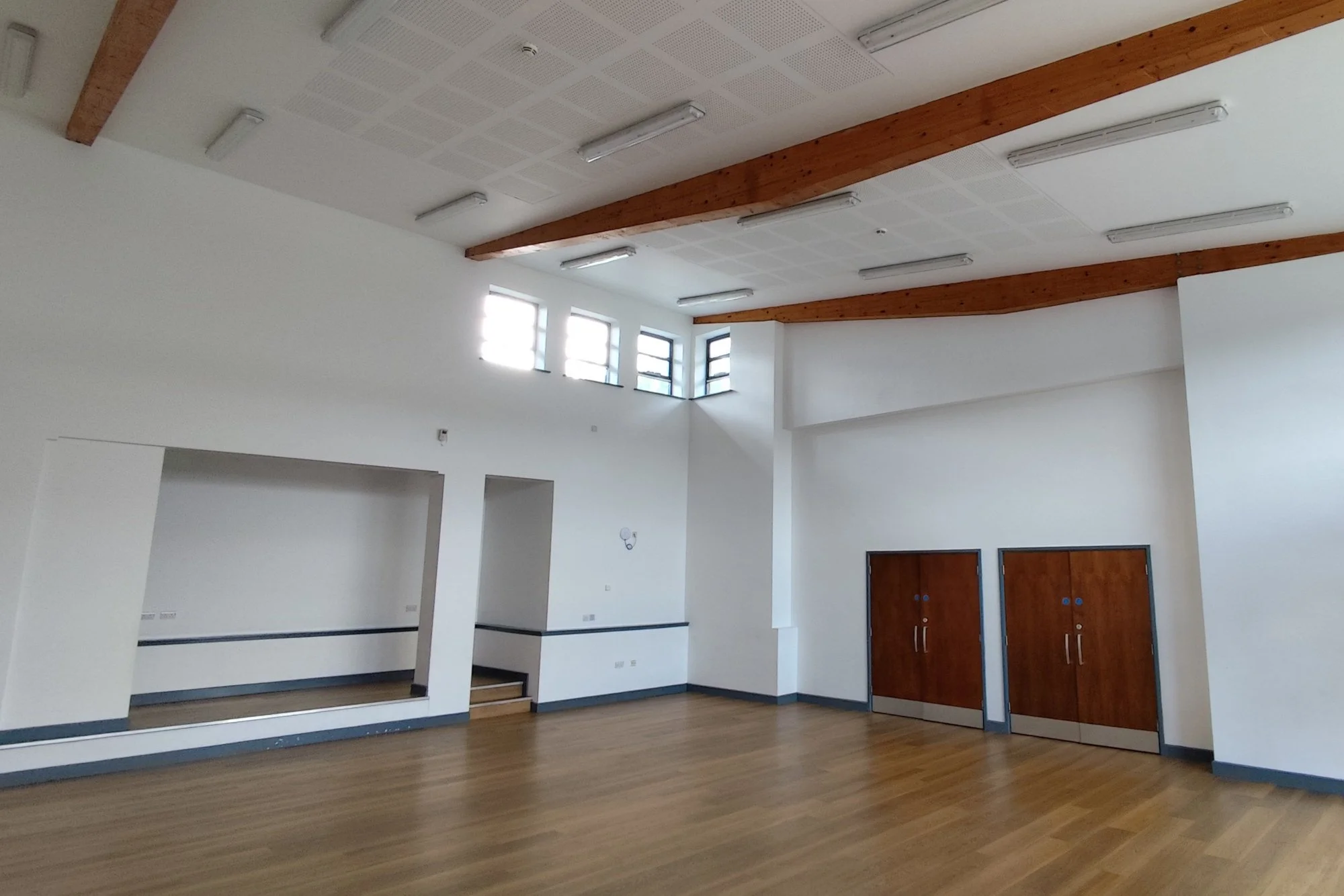
Acoustic input during design supports the development of layouts, partitions, ceilings, façades, and internal finishes that control noise transmission and reverberation while remaining compatible with commercial fit-out requirements.
Operational and completion support
Acoustic input may be required during commissioning or after fit-out to verify performance, respond to complaints, or support changes in use, tenancy, or operating hours.
Mechanical and building services noise control
Plant, ventilation, and servicing equipment are assessed and controlled to prevent internal disturbance and external noise impact once the premises are operational.
Early identification of the relevant stages helps avoid planning delay, operational restrictions, and costly retrofit measures once the space is occupied.