
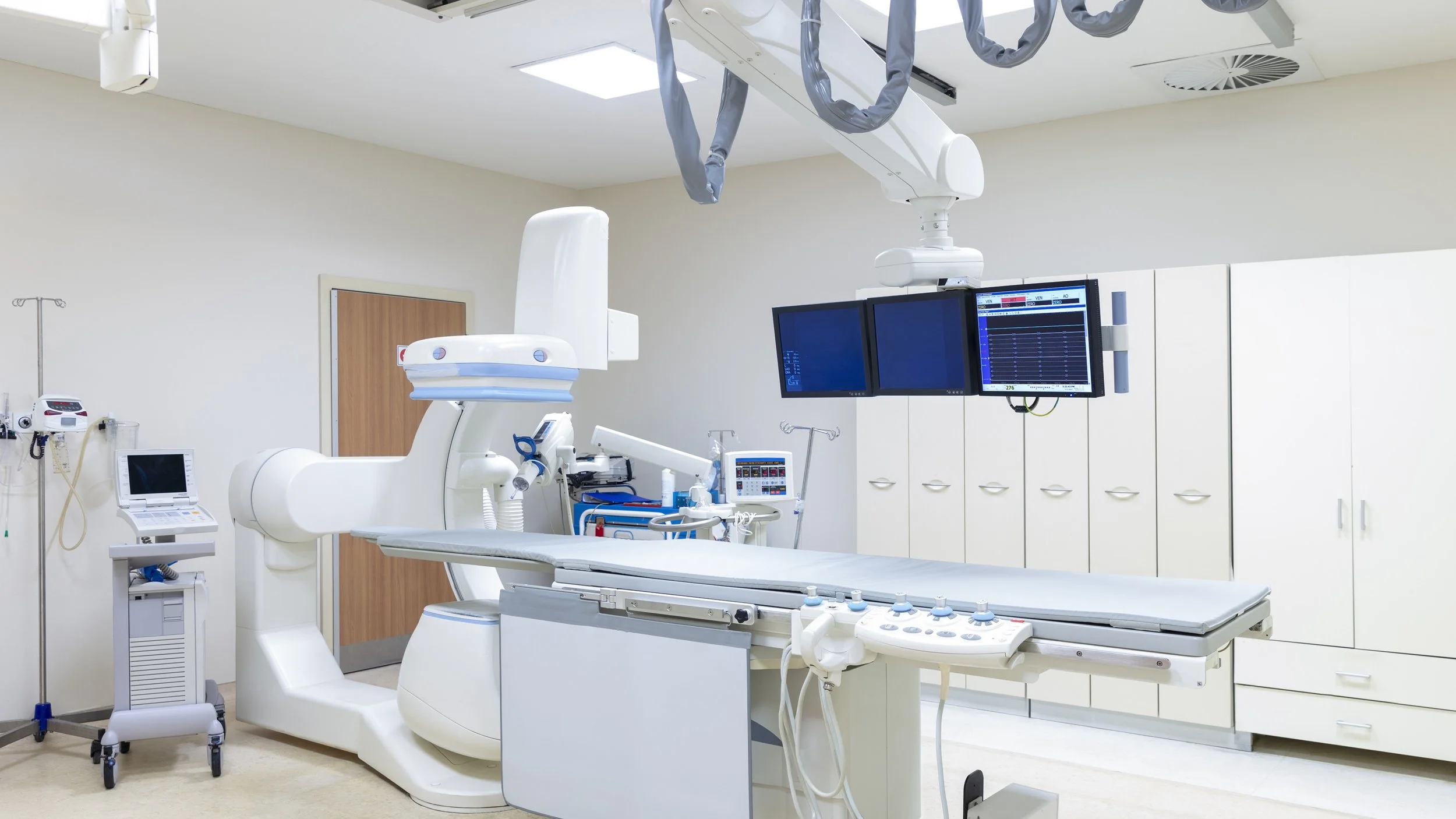
Healthcare & Hospital Acoustic Design
Healthcare Acoustic Advice
Healthcare environments place specific demands on acoustic performance. Noise and vibration can affect patient recovery, staff wellbeing, speech intelligibility, and confidentiality, particularly in settings where concentration, rest, and clear communication are critical.
Healthcare developments are subject to close scrutiny at planning and building control stages, and acoustic performance is a material consideration in meeting regulatory requirements, clinical guidance, and operational expectations.
Why Healthcare Acoustics Matter
Healthcare buildings are occupied continuously and operate under demanding conditions, often with a combination of clinical activity, building services, and movement throughout the day and night. Poor acoustic conditions can increase stress, disrupt rest and recovery, and make effective communication more difficult for staff and patients alike.
While planning approval and completion sign-off are essential milestones, they do not guarantee that a facility will perform well in use. Acoustic shortcomings often become apparent only once departments are operational, when background noise, alarms, equipment, and speech interact in ways that were not fully evident at design stage. In healthcare settings, this can affect patient experience, staff fatigue, and the ability to maintain privacy and dignity.
Early, proportionate acoustic input helps ensure that healthcare environments support recovery, enable staff to work effectively, and continue to function as intended throughout the life of the facility.
Explore our work
How We Typically Support Healthcare Projects
Healthcare projects require acoustic input at several defined stages. The specific services depend on the type of facility, clinical functions, and surrounding environment, but commonly include the following.
Planning-stage noise assessments
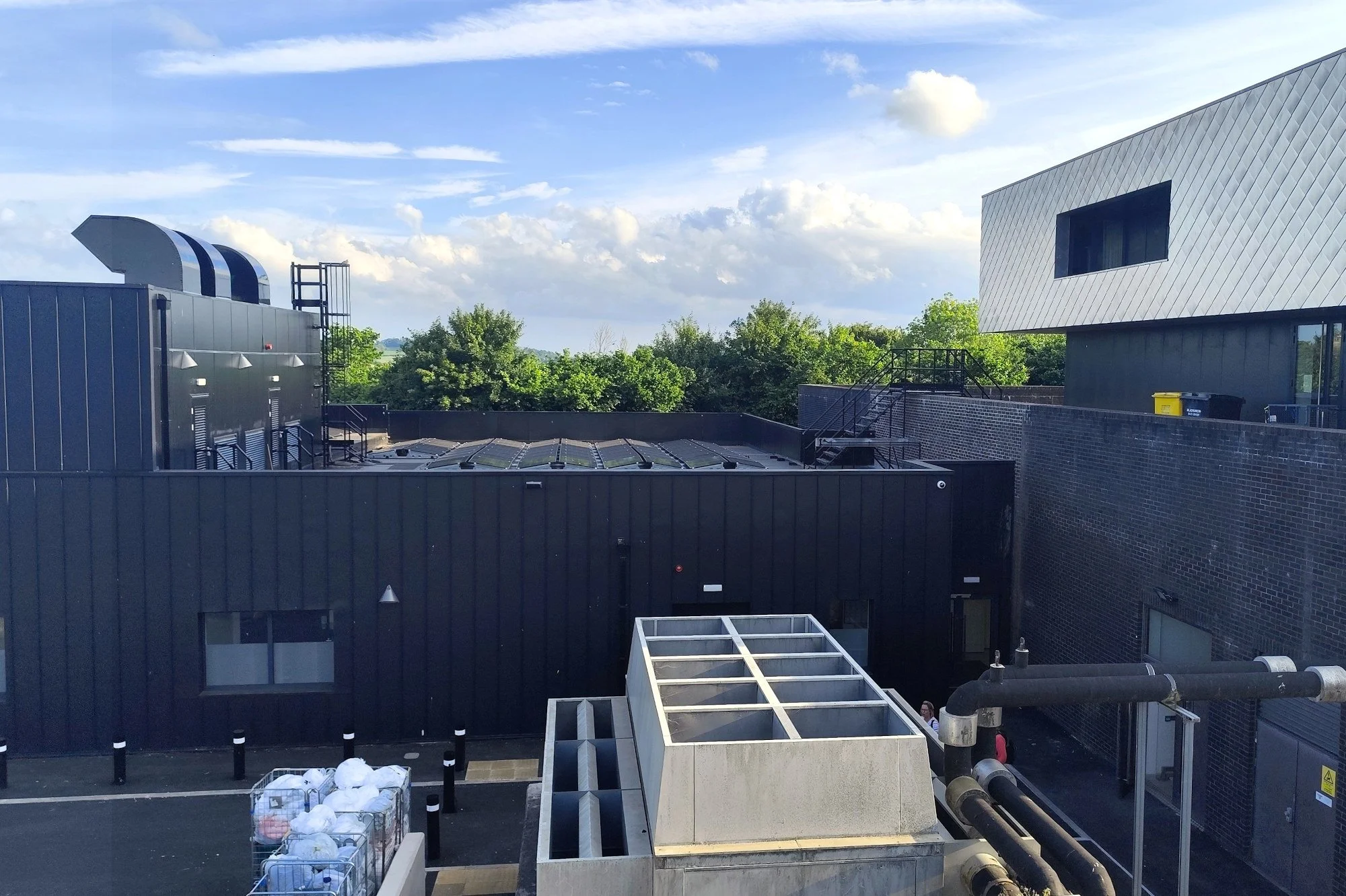
Noise assessments are used to support planning applications and demonstrate that proposed healthcare uses and associated plant will not adversely affect neighbouring noise-sensitive receptors.
Design-stage acoustic advice
Acoustic input during design supports the development of layouts, room adjacencies, partitions, ceilings, and finishes that control noise, manage reverberation, and protect speech privacy in clinical and non-clinical areas.
Completion and operational support
Acoustic input may be required during commissioning or after occupation to verify performance, respond to operational issues, or support changes in layout, equipment, or use over time.
Mechanical and building services noise control
Plant, ventilation, and medical building services are assessed and controlled to prevent noise and vibration from undermining patient rest, staff concentration, or sensitive clinical activities.
Early identification of the relevant stages helps ensure that compliance is achieved, performance is robust in practice, and healthcare environments continue to support care delivery long after handover.