
Entertainment Acoustic Consultancy
Entertainment Acoustic Advice
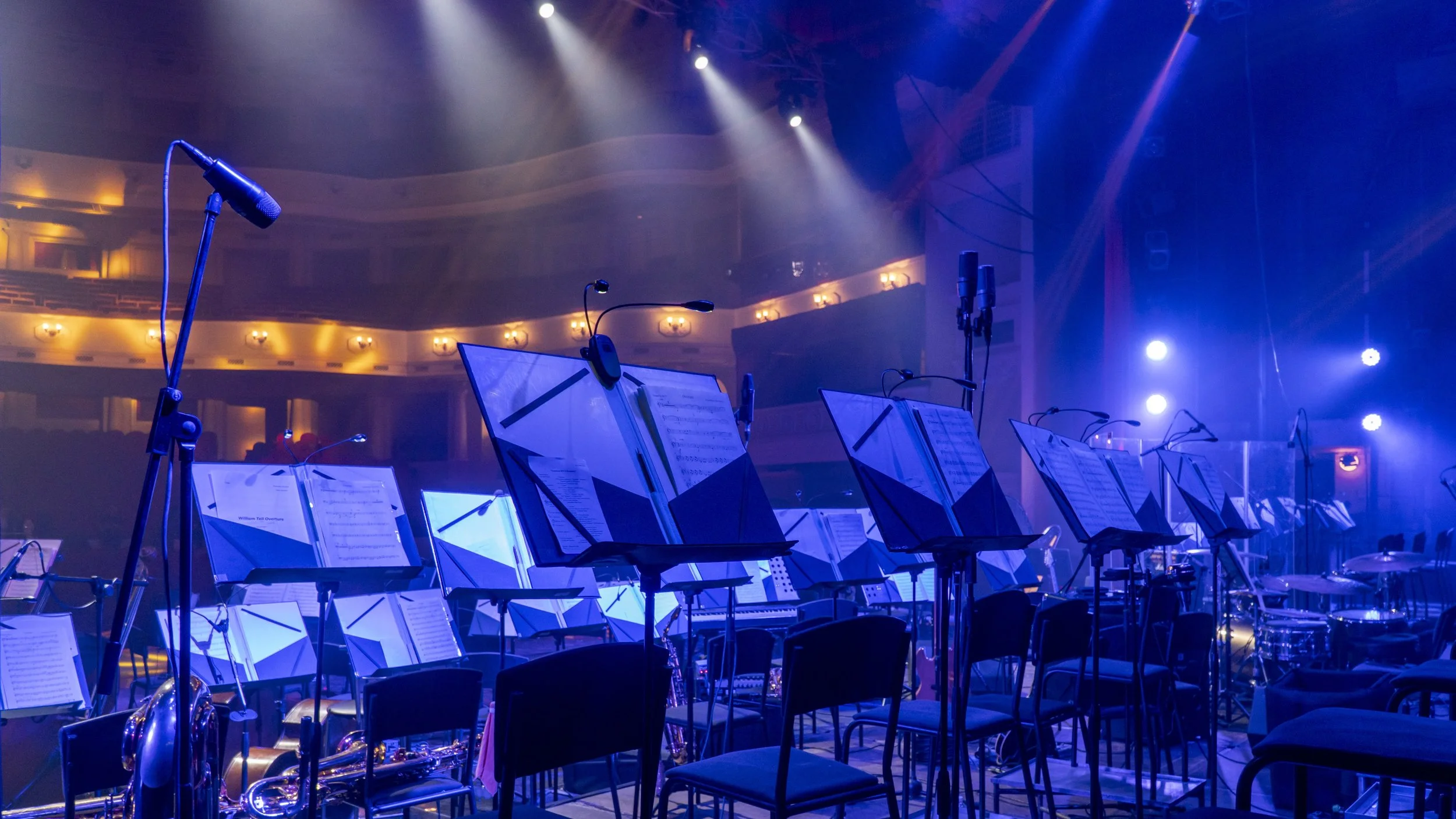
Entertainment venues generate elevated noise levels from music, amplified sound, crowds, and late-night activity. When not properly controlled, this noise can affect neighbouring properties, trigger complaints, and lead to licensing or enforcement action that restricts how a venue operates.
Entertainment uses are therefore subject to close scrutiny through planning, licensing, and environmental health processes. Acoustic performance is a material factor in securing permission to operate, maintaining licence conditions, and avoiding intervention once a venue is in use.
Why Entertainment Acoustics Matter
Entertainment venues operate at times when surrounding noise sensitivity is highest, often into the evening and night. Music, bass content, and crowd noise can travel through building fabric and over distance, making even small weaknesses in acoustic design significant.
While planning permission and licence approval are essential milestones, they do not guarantee that a venue will remain compliant in operation. Changes in programming, sound systems, opening hours, or audience behaviour can all alter the noise profile of a venue. Acoustic issues often only become apparent once a space is fully operational, at which point the consequences can include complaints, licence review, or restrictions on use.
Early, proportionate acoustic input helps ensure that entertainment venues can operate as intended, with noise controls that are effective in practice and capable of accommodating change over time without continual dispute.
Explore our work
How We Typically Support Entertainment Projects
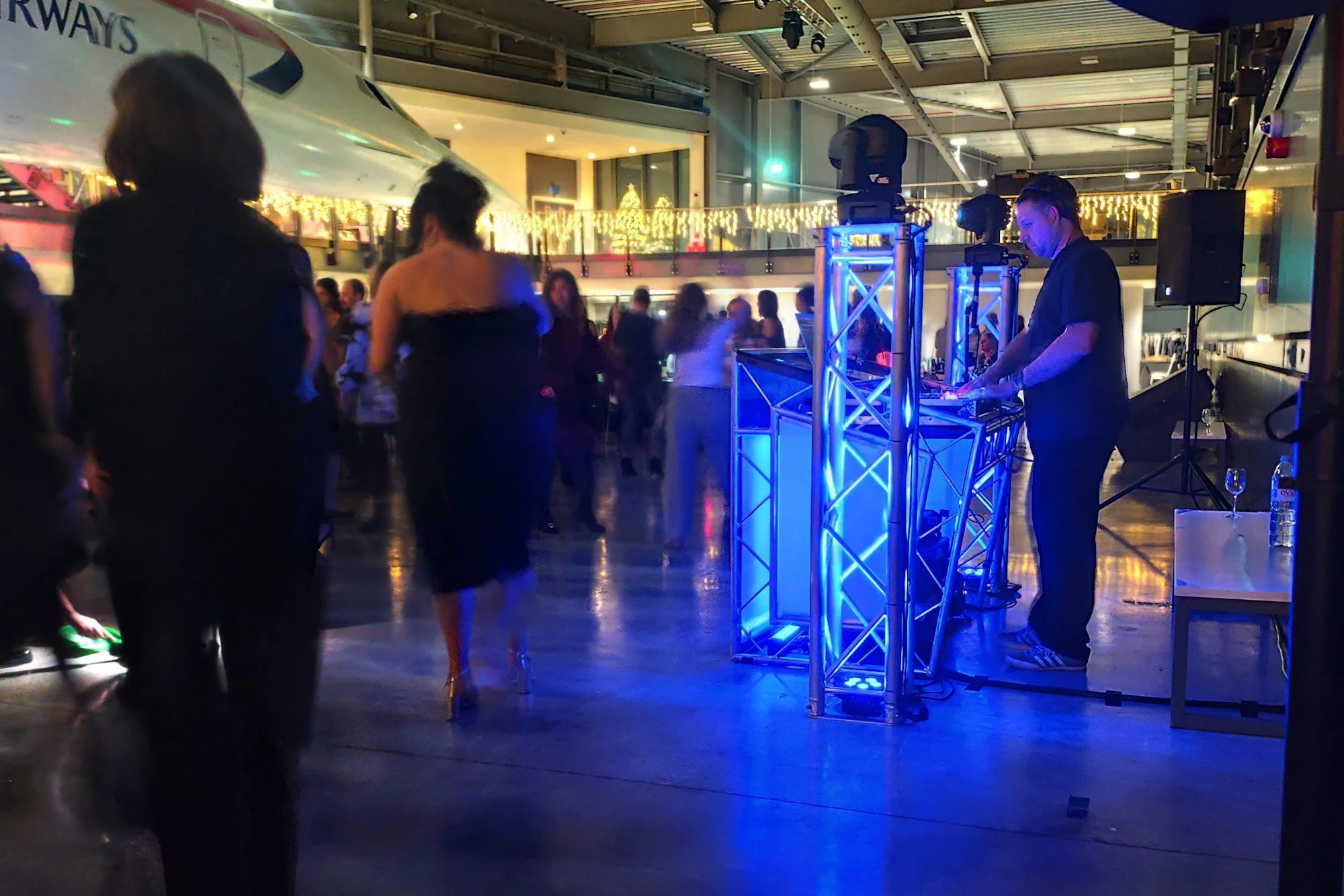
Entertainment venues require acoustic input at several defined stages. The specific services depend on the type of venue, surrounding receptors, and regulatory context, but commonly include the following.
Planning and licensing noise assessments
Noise assessments are prepared to support planning applications, premises licence applications, and variations, demonstrating that music and associated activity can be controlled to protect nearby noise-sensitive premises.
Sound system and operational noise control
Advice may be provided on sound system specification, noise limiting, and operational controls to help venues comply with agreed noise limits and licence conditions.
Post-opening and compliance support
Acoustic input may be required after opening to respond to complaints, support licence reviews, verify compliance, or adapt noise control measures as the venue evolves.
Design-stage acoustic advice
Acoustic input during design supports the development of room layouts, sound insulation, and structural details that control noise breakout, low-frequency transmission, and vibration. Where amplified music or performance is involved, room acoustics are also considered to manage reverberation, sound clarity, and bass response, helping venues achieve the desired sound quality without excessive sound levels.
Early identification of the relevant stages helps reduce the risk of enforcement action, operating restrictions, and ongoing conflict with regulators or neighbours.