
Residential Acoustic Design & Noise Assessment
Expert Residential Acoustic Design for Comfort & Compliance
Residential Acoustic Advice
Residential projects are particularly sensitive to noise and vibration, both at planning stage and after occupation. Common risks include objections from environmental health officers, restrictive planning conditions, complaints from neighbours, and failures to meet Building Regulations at completion.
Kimber Acoustics supports residential developments from early planning through to post-construction testing, helping ensure that external noise is properly assessed, internal sound insulation is designed correctly, and ventilation and layout decisions do not undermine acoustic performance.
Work typically includes planning noise assessments, residential acoustic design, and pre-completion sound insulation testing, with advice focused on solutions that are proportionate, buildable, and acceptable to regulators.
Why Residential Acoustic Design Matters
Noise Impact Assessments for Planning
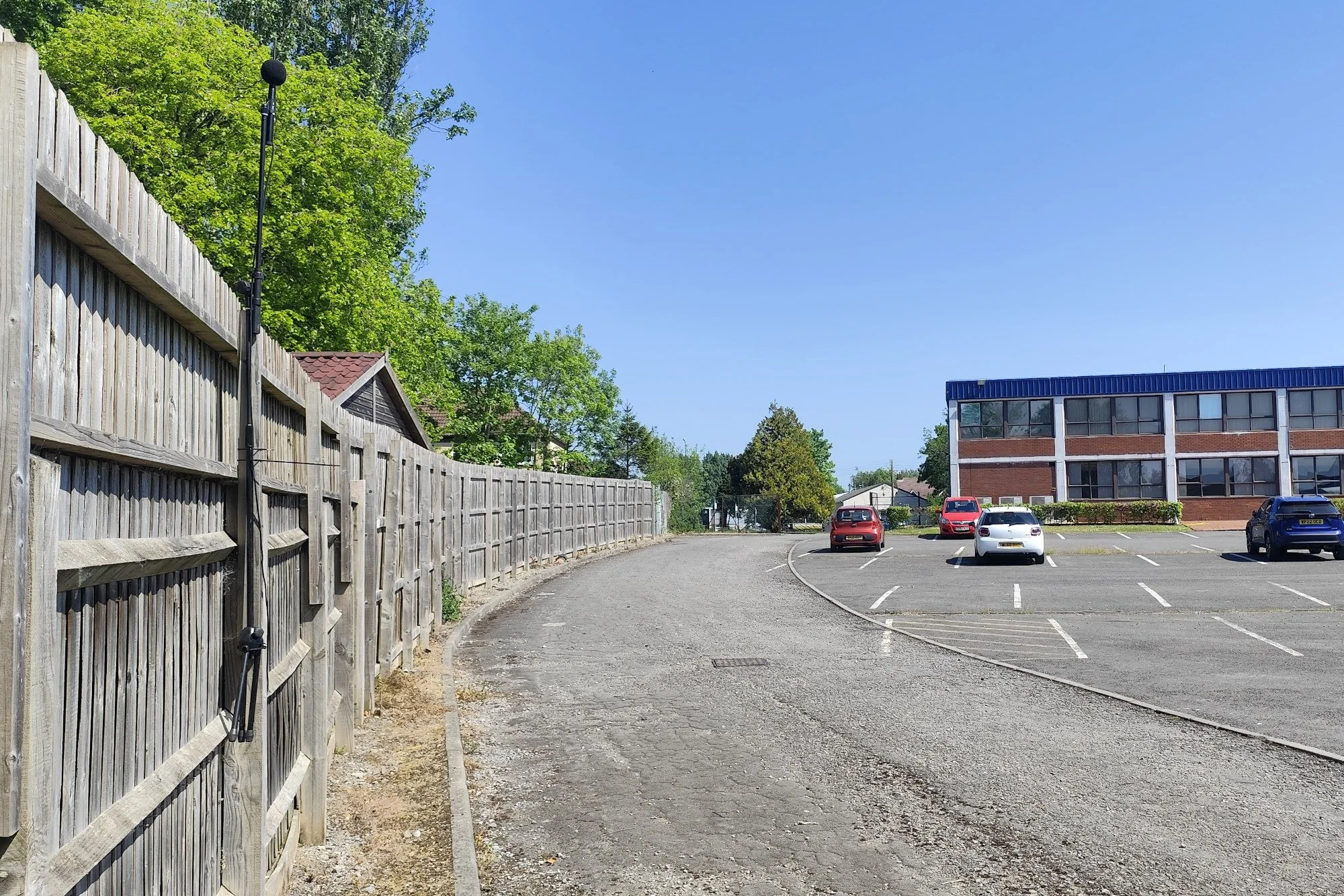
New residential developments often face scrutiny from local planning authorities. Through a detailed noise assessment — typically aligned with BS 8233:2014 guidance on sound insulation and noise reduction — we evaluate external noise sources (traffic, industry, rail, etc.) and recommend mitigation measures such as upgraded glazing, façade design, or barrier features.
Good Acoustic Design from Early Stages
Our residential acoustic design process follows best practice frameworks like ProPG (Planning & Noise), which emphasise a structured design workflow: site noise surveys, internal and external level targets, building envelope and ventilation strategies, internal partition design, and quality control. By integrating our acoustic input into early design stages, we can reduce the risk of revisions, help optimise layouts for sound, and support planning compliance.
Sound Insulation & Building Regulations
Compliance with Approved Document E of the Building Regulations is critical for multi-unit residential buildings. We design separating floors, walls, and ceilings to meet or exceed the minimum sound insulation requirements — for example, achieving at least 45 dB DnT,w + Ctr for airborne sound in new builds, and managing impact sound (e.g., footfall) to ensure privacy and comfort.
Ventilation & Overheating Considerations
Contemporary homes often use mechanical ventilation or heat-recovery systems. As part of our residential acoustic design, we balance the need for air quality and overheating protection with acoustic performance, ensuring ventilation strategies don’t compromise the internal noise environment. This aligns with guidance from ProPG and the “Good Acoustic Design” principle.
Post-Construction Testing
After construction, we conduct pre‑completion sound tests (airborne and impact) to verify that the built acoustic performance meets the designed spec and regulatory standards. These tests help secure Building Control sign-off and provide assurance to developers and homeowners alike.
Explore our work
Why Choose Us for Residential Acoustic Design
Specialised Expertise
We bring deep experience in residential acoustic design, having worked on everything from single‐family homes to large mixed-use developments.
Collaborative Service
We partner closely with architects, planners, and contractors to embed acoustic considerations into every stage of your project, not just at the end.
Quality Assurance
Through post‑completion testing and robust report writing, we ensure your homes perform acoustically as intended.
Standards‑Driven Approach
Our work aligns with BS 8233, ProPG, Approved Document E, and other relevant national and local policies.