
Industrial Acoustic Advice
Industrial Acoustic Advice
Industrial activities generate continuous, tonal, and sometimes impulsive noise and vibration from plant, processes, and vehicle movements. When not properly assessed and controlled, these effects can impact neighbouring land uses and trigger planning objections, enforcement action, or statutory nuisance investigations.
Industrial developments are therefore subject to close scrutiny through planning, environmental permitting, and environmental health processes. Acoustic performance is a material consideration in securing consent, maintaining compliance, and protecting operational continuity.
Why Industrial Acoustics Matter
Industrial noise and vibration are typically assessed at site boundaries, where even small changes in plant operation, layout, or duty cycle can alter off-site impact significantly. Facilities often operate over extended hours, and noise characteristics such as tonality or impulsivity can attract particular attention from regulators.
While planning approval and initial compliance are essential milestones, industrial sites commonly evolve over time. Changes in process, throughput, equipment, or operating patterns can introduce new noise and vibration risks that were not present at commissioning. Without robust acoustic design and evidence, operators may face complaints, enforcement action, or restrictions on use.
Early, proportionate acoustic input helps ensure that boundary noise and vibration risks are properly understood, mitigation is integrated into site layout and plant selection, and future operational change can be accommodated without continual regulatory conflict.
Explore our work
How We Typically Support Industrial Projects
Industrial projects require acoustic input at several defined stages. The specific services depend on the nature of the process, plant, and surrounding receptors, but commonly include the following.
Planning and permitting noise assessments
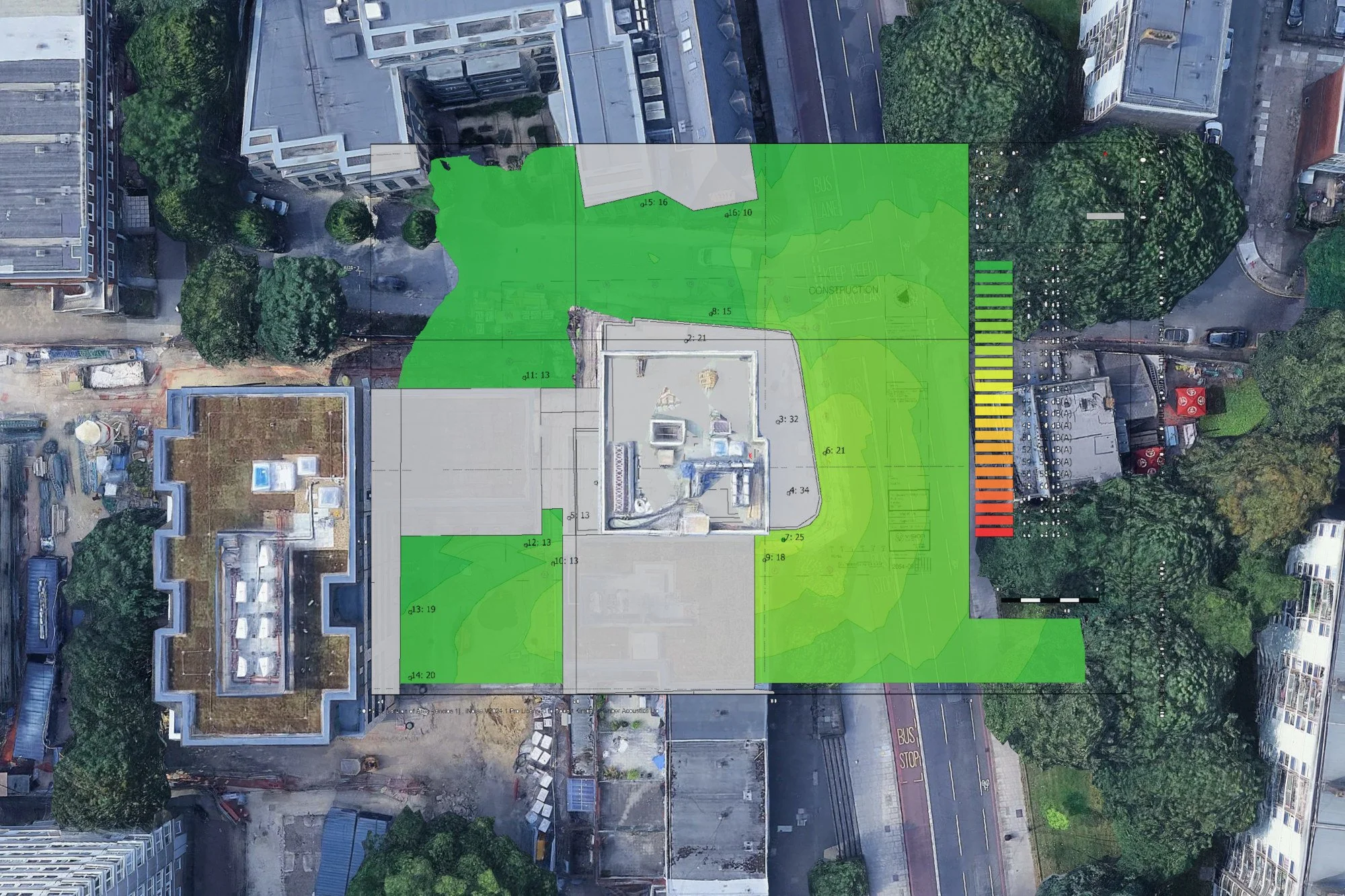
Noise and vibration assessments are prepared to support planning applications, environmental permits, and variations, demonstrating that proposed activities and plant will not cause unacceptable impact at site boundaries.
Design-stage acoustic and vibration control advice
Acoustic input during design supports the selection and layout of plant, buildings, enclosures, barriers, and isolation measures to control airborne noise and structure-borne vibration from industrial processes.
Post-installation and compliance support
Acoustic input may be required after installation or modification to verify performance, demonstrate compliance with consent conditions, or respond to regulatory enquiries.
Operational noise control and monitoring
Acoustic input may be required during operation to investigate complaints, support compliance monitoring, or assess changes in process, equipment, or operating patterns.
Early identification of the relevant stages helps avoid enforcement action, operational restriction, and costly retrofit measures as industrial sites develop over time.