
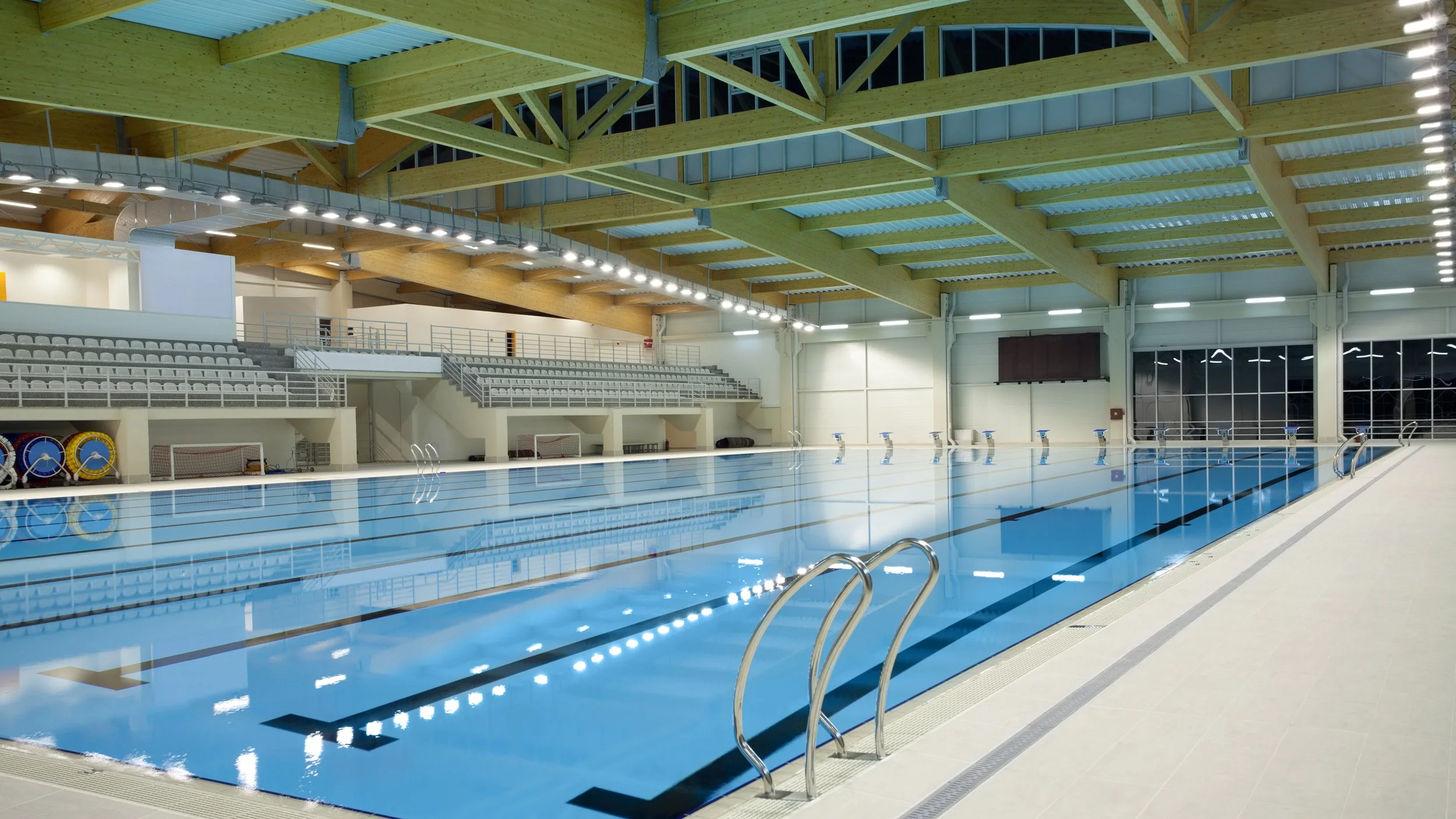
Acoustics for Leisure & Sports Facilities
Leisure & Sports Acoustic Advice
Leisure and sports facilities generate high and often impulsive noise and vibration from activity, movement, music, and building services. When poorly controlled, these effects can impact neighbouring uses, restrict operating hours, and undermine the viability of the facility.
Leisure and sports developments are frequently subject to planning conditions related to noise, vibration, and hours of use, particularly where facilities are located close to residential or other noise-sensitive premises. Acoustic performance is therefore a material factor in securing approval and maintaining operational flexibility.
Why Leisure & Sports Acoustics Matter
Unlike many other building types, leisure and sports uses generate repetitive impact noise, structure-borne vibration, and elevated sound levels that can travel through building fabric and across long distances. These effects are often most pronounced during evenings and weekends, when surrounding receptors are more sensitive.
While planning approval and completion sign-off are key milestones, acoustic issues in leisure and sports facilities frequently emerge once the space is in active use. Class timetables, peak activity periods, changes in equipment, or intensification of use can all increase noise and vibration beyond initial expectations. This can lead to complaints, restrictions on operating hours, or the need for costly remedial works.
Early, proportionate acoustic input helps ensure that impact and vibration risks are understood, mitigation is integrated into the structure and layout, and facilities can operate as intended without unnecessary constraint.
Explore our work
How We Typically Support Leisure and Sports Projects
Leisure and sports developments require acoustic input at several defined stages. The specific services depend on the type of activity, building form, and proximity of sensitive receptors, but commonly include the following.
Planning-stage noise and vibration assessments
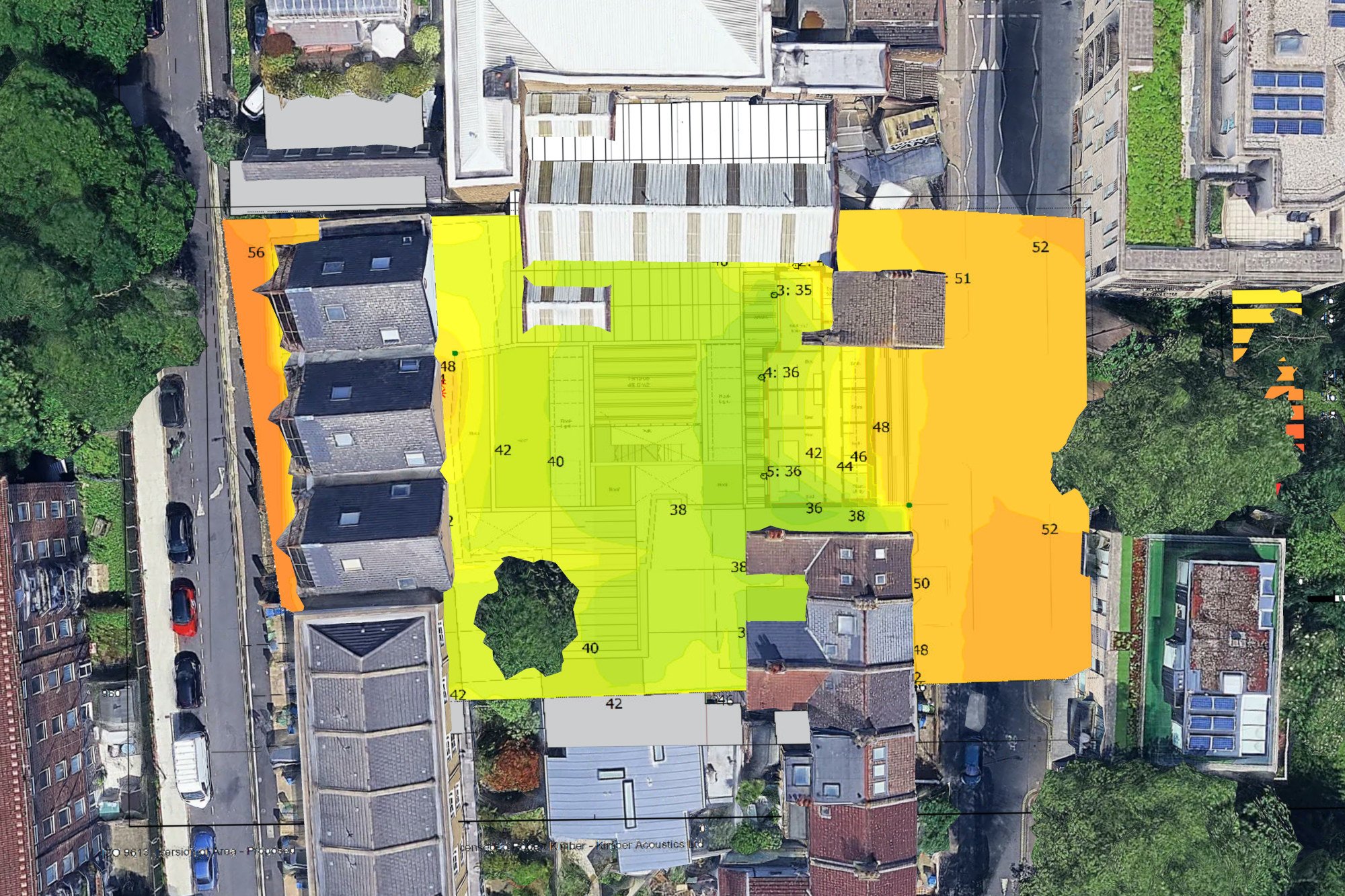
Noise and vibration assessments are prepared to support planning applications and demonstrate that proposed activities will not cause unacceptable impact on neighbouring properties.
Design-stage acoustic and vibration control advice
Acoustic input during design supports the development of floor build-ups, structural isolation, partitions, and finishes that control impact noise and structure-borne vibration from sporting and fitness activities.
Operational and post-completion support
Acoustic input may be required after opening to respond to complaints, support changes in equipment or use, or demonstrate compliance with planning conditions and operating limits.
Mechanical and building services noise control
Plant, ventilation, and building services are assessed and controlled to prevent additional noise and vibration affecting both internal spaces and surrounding receptors.
Early identification of the relevant stages helps avoid restrictions on use, enforcement action, and expensive retrofit measures once facilities are operational.